
Do LED Lights Really Save Money? A Complete Breakdown
If you have ever looked at the lighting in your home or business and wondered whether upgrading to LED lighting is truly worth the investment, you are not alone. Many property owners in Georgetown, TX ask us this same question. The upfront cost of LED bulbs can seem higher than traditional options, which naturally leads to skepticism. We are here to break it all down for you clearly and practically. By the end of this guide, you will understand exactly how LED lighting affects your energy use, long-term costs, and overall value.

Understanding How LED Lighting Works
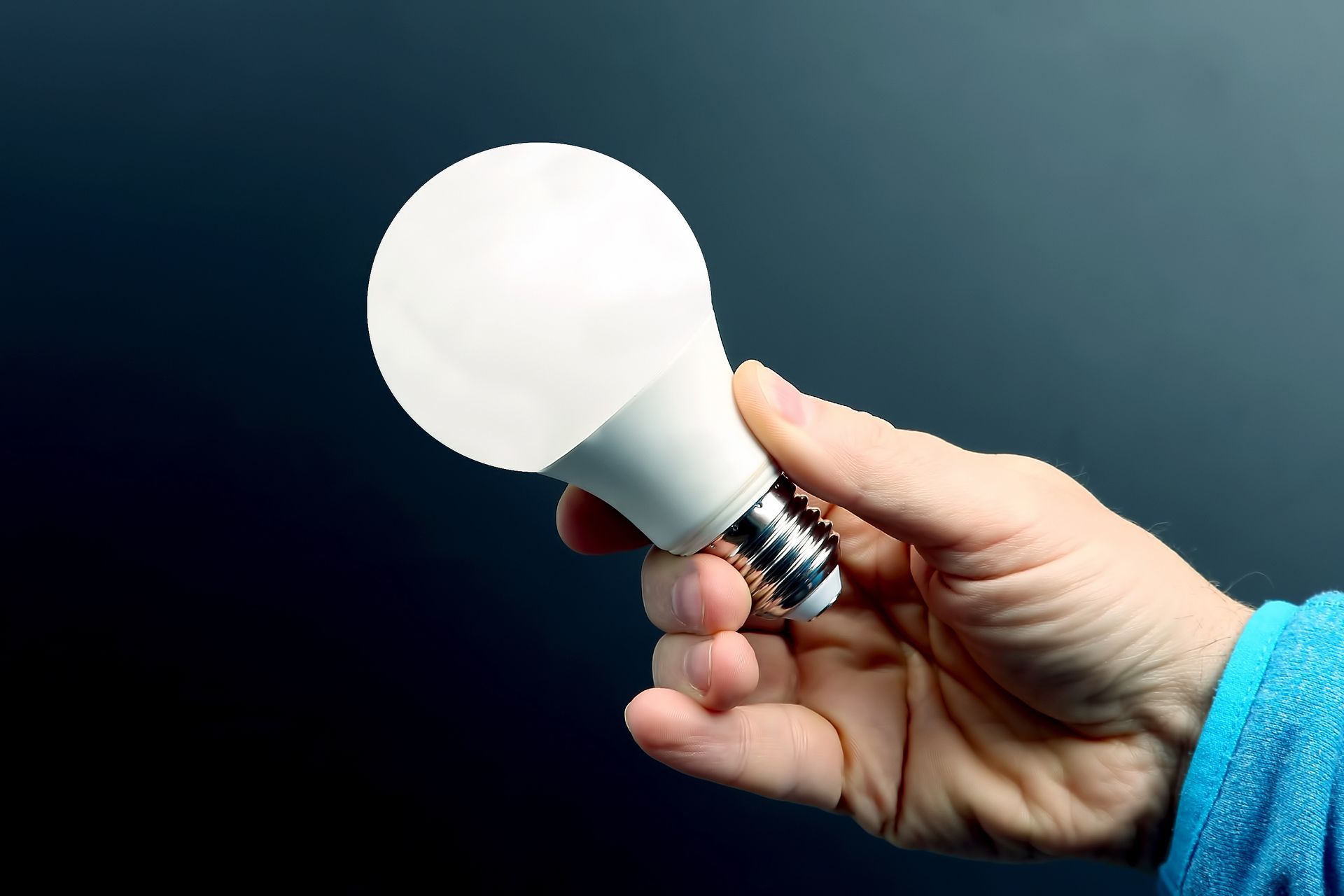
To decide whether energy-saving light bulbs are a smart choice, it helps to understand how they work. LED stands for light-emitting diode. Unlike incandescent bulbs that produce light by heating a filament, LEDs create light through an electrical current passing through a semiconductor. This process is far more efficient.
Traditional bulbs waste a significant amount of energy as heat. LEDs, on the other hand, convert most of the electricity they use directly into light. This efficiency is the foundation of why many homeowners ask, are LED lights worth it. When less energy is wasted, you see immediate benefits in reduced electricity usage and lower utility bills.
Another key advantage is consistency. LEDs provide steady illumination without flickering or warm-up time. Whether you are lighting a living room, office space, or outdoor area, you get reliable performance from the moment you flip the switch.
LED vs Traditional Bulbs: Cost and Performance Comparison
When comparing LED vs traditional bulbs, it is important to look beyond the purchase price. Incandescent bulbs are cheaper upfront, but they typically last about 1,000 hours. Compact fluorescent bulbs last longer, often around 8,000 hours, but they still fall short when compared to LEDs.
Most LED bulbs are rated to last 25,000 to 50,000 hours. That means you may replace an incandescent bulb 25 times before replacing a single LED. When you factor in the cost of frequent replacements, the initial savings of traditional bulbs quickly disappear.
Performance is another major difference. LEDs are available in a wide range of color temperatures and brightness levels, allowing you to customize lighting for different spaces. Traditional bulbs are limited in comparison and often dim over time. With LEDs, you maintain consistent brightness and color throughout the life of the bulb.
How Much Electricity Do LED Lights Save?
One of the most common questions we hear is how much electricity LED lights save. The answer can be significant. On average, LED bulbs use about 75 percent less energy than incandescent bulbs to produce the same amount of light.
For example, a 60-watt incandescent bulb can be replaced by a 9 or 10-watt LED bulb. If you run that light for five hours a day, the savings add up quickly over the course of a year. Multiply that by every light fixture in your home or commercial building, and the reduction in energy consumption becomes substantial.
Lower energy use also means less strain on your electrical system. This can contribute to improved overall efficiency and may even extend the lifespan of certain electrical components. Over time, reduced electricity demand translates directly into lower monthly utility bills, which is where LED lighting truly shines.
Long-Term Savings Beyond the Electric Bill
The financial benefits of LED lighting go beyond just reduced energy costs. Maintenance savings are another major factor. Because LEDs last so much longer, you spend less money on replacement bulbs and less time changing them.
For businesses, this is especially valuable. Fewer replacements mean less labor and minimal disruption to daily operations. For homeowners, it means fewer trips up a ladder and more peace of mind knowing your lighting will work reliably for years.
LEDs are also more durable. They are resistant to shock, vibration, and temperature changes. This durability reduces the likelihood of early failure, which is common with traditional bulbs. Over time, these factors combine to create real, measurable savings that make LED lighting a smart investment.
Are LED Lights Worth It for Homes and Businesses?
So, are LED lights worth it in real-world applications? For most homes and businesses, the answer is yes. While the upfront cost is higher, the long-term financial benefits consistently outweigh the initial expense.
For homeowners in Georgetown, TX, LED lighting can improve comfort, reduce energy bills, and increase property value. For commercial properties, efficient lighting can significantly lower operating costs while creating a more professional and welcoming environment.
LEDs also offer environmental benefits. Using less electricity reduces demand on power plants, which helps lower overall emissions. If sustainability matters to you, switching to LED lighting is a simple and effective step.
At
Blue Light Electric, LLC, we help you choose the right LED solutions for your specific needs. From interior lighting upgrades to outdoor and security lighting, professional installation ensures you get the maximum benefit from your investment.
Upgrade to LED Lighting with Blue Light Electric
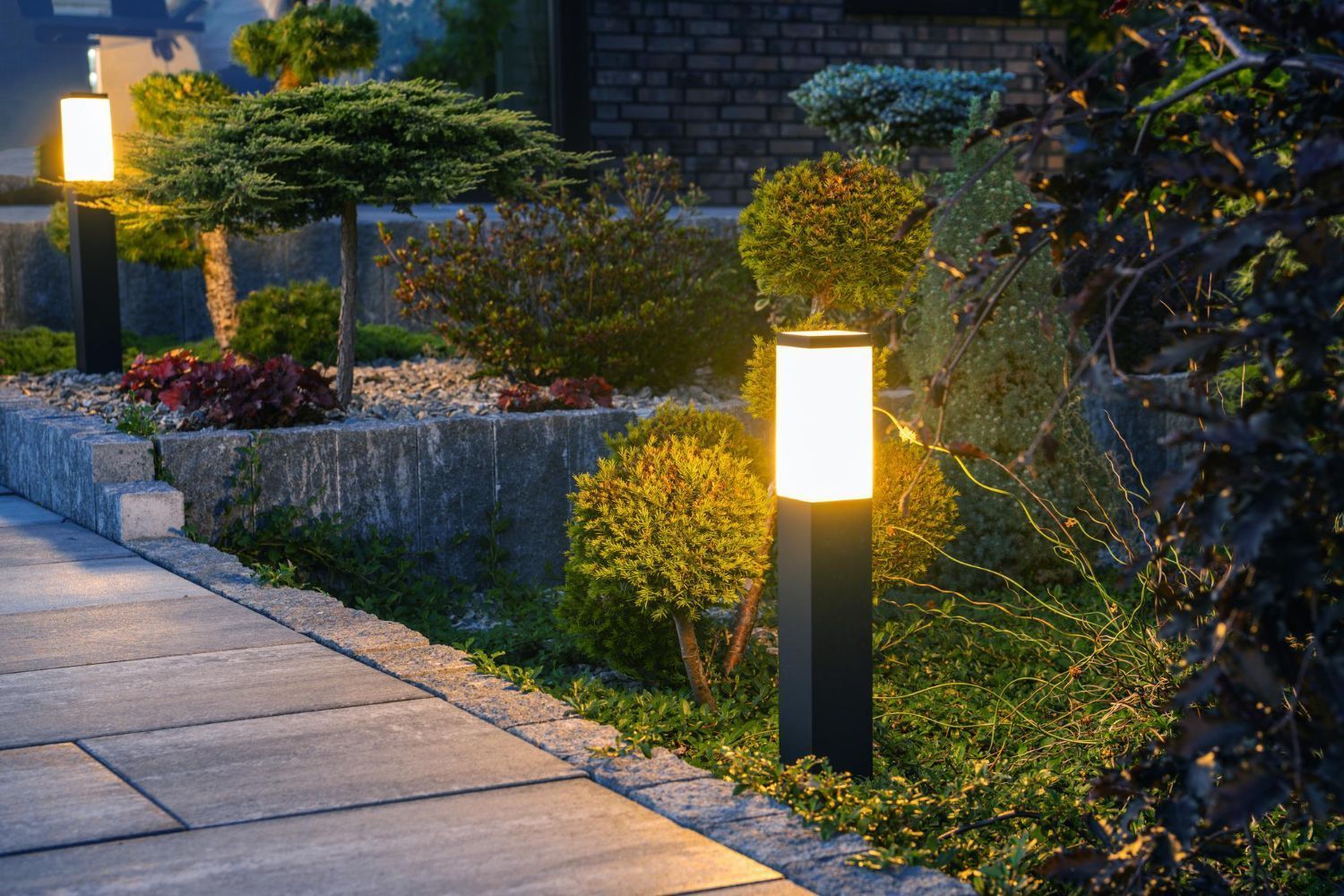
If you are considering upgrading your lighting and want expert guidance, we are here to help. At Blue Light Electric, LLC, we work closely with homeowners and businesses in Georgetown, TX to design and install efficient, reliable lighting solutions. We install interior, exterior, landscape, and smart lighting.
Give us a call today at
(254) 987-8333 to schedule a consultation and see how LED lighting can start saving you money.
FAQs
Are LED lights worth it if I only use my lights a few hours a day?
Yes. Even with limited daily use, LED bulbs still consume significantly less electricity and last much longer than traditional bulbs, which leads to savings over time.
How much electricity do LED lights save compared to incandescent bulbs?
LED lights typically use about 75 percent less electricity while providing the same level of brightness.
Do LED bulbs really last as long as advertised?
In most cases, yes. High-quality LED bulbs are designed to last tens of thousands of hours when installed correctly.
Is professional installation necessary for LED lighting upgrades?
While some bulb replacements are simple, larger upgrades benefit from professional installation to ensure safety, compatibility, and optimal performance.
Can LED lighting increase my property value?
Energy-efficient upgrades like LED lighting are attractive to buyers and tenants and can contribute to increased property value.